
Introduction :
In today’s digital world, growing a small business can be challenging, especially when it comes to reaching new customers and building strong relationships with existing ones. Email marketing is an effective digital marketing strategy that helps small businesses communicate directly with their target audience.
Through email marketing, businesses can share newsletters, special offers, product updates, and valuable content with their customers. It can help increase brand awareness, build customer loyalty, drive website traffic, generate leads, and boost sales.
In this article, we will explore how email marketing can help grow a small business and how businesses can use it effectively to achieve their marketing goals.
What is Email marketing ?
Email marketing is a digital marketing strategy that involves sending emails to customers or potential customers to promote a business, share useful information, and build long-term relationships.
For small businesses, email marketing is a useful way to stay connected with customers and encourage them to visit the website, make a purchase, or use a service.
Why Email Marketing Is Important for Small Businesses ?
Email marketing is important for small businesses because it provides a simple and effective way to communicate directly with customers. Unlike many other marketing methods, businesses can use email to build an ongoing relationship with people who have already shown interest in their products or services.
Here are some key reasons why email marketing is valuable for small businesses:
- Builds Customer Relationships: Regular and useful emails help businesses stay connected with their customers and build trust over time.
- Increases Brand Awareness: Consistent emails keep your brand in front of customers and help them remember your business.
- Generates Leads: Email marketing can turn interested visitors and subscribers into potential customers.
- Boosts Sales: Special offers, product recommendations, and promotions can encourage customers to make purchases.
- Cost-Effective Marketing: Small businesses can reach a large number of subscribers without spending as much as they might on traditional advertising.
Types of Emails Small Businesses Can Send.
Small businesses can use different types of emails depending on their goals and the needs of their audience. Sending the right type of email at the right time can help businesses engage customers, build trust, and increase sales.
- Welcome Emails: Sent to new subscribers or customers to introduce the business and create a positive first impression.
- Newsletter Emails: Share useful information, tips, company updates, blog posts, or industry news with subscribers.
- Promotional Emails: Used to promote discounts, special offers, sales, new products, or limited-time deals.
- Product or Service Updates: Inform customers about new products, features, services, or important business updates.
- Customer Appreciation Emails: Thank customers for their support and help build stronger long-term relationships.
Simple Email Marketing Strategy for Small Businesses:
A simple and consistent email marketing strategy can help small businesses connect with customers, build relationships, and increase sales. Businesses do not need a complicated plan to get started. They can begin with a few basic steps:
1.Build an Email List :
Start by collecting email addresses from website visitors, customers, social media followers, or people who sign up for newsletters. Always get permission before sending marketing emails.You can follow Mailchimphttps://mailchimp.com/marketing-glossary/email-marketing/’s email marketing best practices to understand how to build and manage an email list responsibly.
2. Know Your Audience
Understand your customers’ interests, needs, and problems. This helps you send emails that are relevant and useful to them.
3. Create Valuable Content
Avoid making every email purely promotional. Share helpful tips, educational content, updates, offers, or solutions that provide value to your audience.
4.Write an Attractive Subject Line
The subject line is one of the first things people see. Keep it short, clear, and interesting so subscribers understand why they should open the email.
5. Add a Clear Call-to-Action (CTA)
Every email should have a clear goal, such as “Shop Now,” “Learn More,” “Book a Call,” or “Visit Our Website.”
6. Send Emails Consistently
Create a regular schedule, such as weekly or twice a month. Consistency helps your audience remember your brand without overwhelming them.
7. Track Your Results
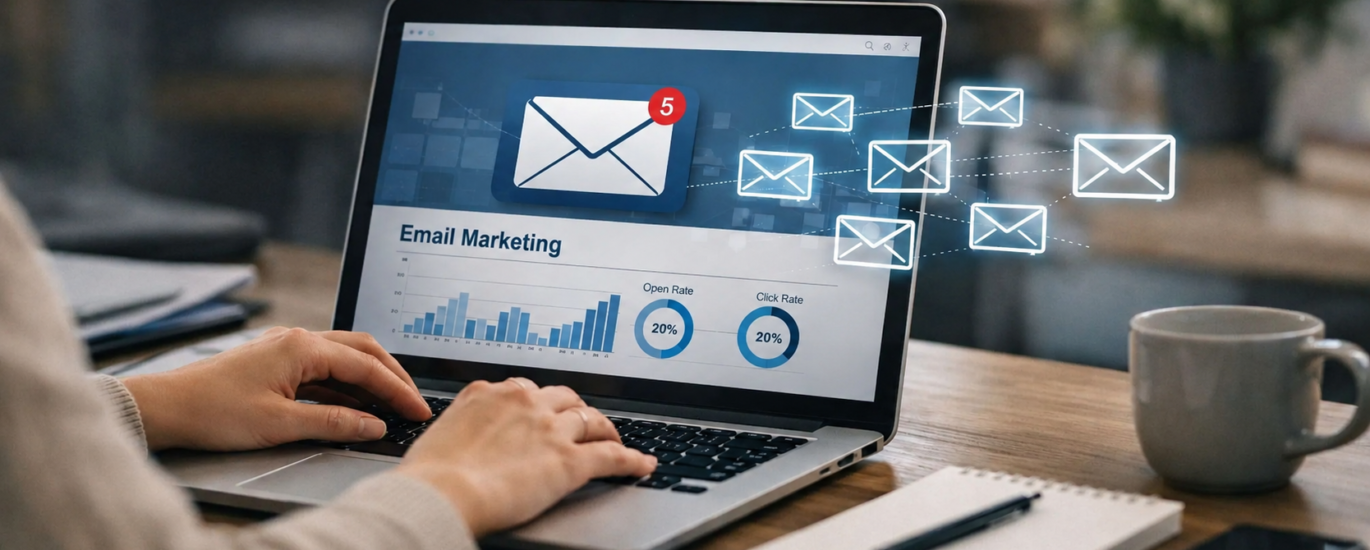
Monitor metrics such as open rates, clicks, conversions, and unsubscribes. Use this information to understand what works and improve future campaigns.
Common Email Marketing Mistakes to Avoid
Email marketing can be very effective for small businesses, but certain mistakes can reduce engagement and make customers lose interest. Here are some common mistakes businesses should avoid:
1.Sending Too Many Emails :
Sending emails too frequently can annoy subscribers and may lead them to unsubscribe.
2 .Using Unclear Subject Lines :
A confusing or boring subject line can make people ignore the email. Keep subject lines clear, short, and relevant.
3 .Only Sending Promotional Content :
If every email is focused on selling something, customers may lose interest. Include useful and educational content as well.
4. Ignoring Mobile Users :
Using the same message for everyone can make emails feel less relevant. Personalizing content based on customer interests can improve engagement.
5 .Missing a Clear CTA :
Every marketing email should have a clear next step, such as visiting a website, learning more, or making a purchase.
6. Not Checking Results :
Businesses should track email performance to understand what is working and what needs improvement.
Conclusion:
Email marketing is a powerful and cost-effective strategy that can help small businesses connect with their customers and support long-term growth. By sending valuable and relevant content, businesses can build trust, increase brand awareness, generate leads, drive website traffic, and encourage repeat purchases.
A successful email marketing strategy does not require complicated campaigns. Small businesses can start by building a quality email list, understanding their audience, creating useful content, and sending emails consistently. By avoiding common mistakes and tracking campaign performance, businesses can continuously improve their results.
Overall, email marketing can be a valuable tool for small businesses looking to build strong customer relationships and grow their business in the digital world. Businesses can also explore GrowthClick for digital marketing solutions to strengthen their online presence.